In Masonic Lodges, there are Non-Progressive and Progressive Officers – all of which are appointed each year at the Installation of the new Master.
Each year, a Brother normally moves through the Progressive Offices on a journey from Steward, to Inner Guard, via the Deacons and Wardens, to the highest honour within a Lodge – the Master.
Non-Progressive offices are usually occupied by members who are Past Masters of the Lodge and are typically held by the same person for a number of years (normally a maximum of 5), to provide continuity and experience e.g. Almoner and Secretary. The offices of Treasurer and Tyler are the exception to this as these officers are elected by the members of the L
Officers of the lodge will wear a collar with a distinguishing badge (or jewel) as shown in the tables below.
Progressive Officers
 | Steward | This is likely to be the first office one has in the Lodge. The Stewards’ main function is an integral part of a successful Festive Board (dinner) after Lodge, as in many Lodges the Stewards will be responsible for arranging the evening, serving drinks, conducting a raffle etc. It is a very good way to meet the members. |
 | Inner Guard | The Inner Guard sits just inside the door of the Lodge. He admits proven brethren into the Lodge, advises when there is a Candidate or Member wishing to enter the Lodge and checks that everything is in order before entrance is allowed. |
 | Junior Deacon Senior Deacon | The Deacons look after and guide the Candidates during ceremonies. Their duties are carried out with care and dignity. The enjoyment and understanding of a new member can be greatly enhanced by the sympathetic attitude of the Deacons and by the efficiency of their working. They have one of the most interesting and delightful roles, which involves both learning ritual and floor-work. They also carry a wand as a badge of office. |
 | Junior Warden | The Junior Warden sits in the South of the Lodge and will normally progress to Senior Warden. It is the role of the Junior Warden to ensure that no unqualified person enters the Lodge. He works with the Master and Senior Warden in running the Lodge. |
 | Senior Warden | The Senior Warden sits opposite the Master at the West end of the Lodge and is usually the next Master. He works with the Master and Junior Warden in running the Lodge. |
 | Worshipful Master | The Master is elected by the Lodge members every year and is then installed in to his office. He sits at the East end of the Lodge and is usually Master for one year. He is in charge of the Lodge during his tenure of office and acts as its chairman. He also normally conducts the ceremonies in the Lodge. Being elected and installed as Master is the highest honour a Lodge can bestow on any of its members |
Non-Progressive Officers
 | Immediate Past Master (IPM) | After his year as Master of the Lodge, a Mason Becomes the Immediate Past Master (IPM). Strictly speaking, the IPM is not an Officer of the Lodge, but his position is an important one as it is his responsibility to sit beside the Master; both in the Lodge Room and the Festive Board, and give him support and guidance when required. |
 | Chaplain | Whilst the discussion of religion (and politics) is not permitted within our meetings, each one opens and closes with prayer. Many Lodges that have no members of the clergy amongst their number appoint one of their senior Masons to the office. |
 | Treasurer | As you would imagine, the Treasurer is responsible for the finances of the Lodge. Annually, he produces a financial summary report which is audited by the elected Lodge Auditors. It is the responsibility of each member to pay his subscriptions, together with any dining charges, promptly. The Treasurer settles any debts incurred by the Lodge, such as the Lodge rent for the building where meetings are held, the various levies imposed by Grand Lodge, Provincial Grand Lodge and dining expenditure. The Treasurer requires sound judgement, for ultimately, it is on his recommendation that the level of subscriptions for the members is set. |
 | Secretary | The Secretary has hands-on daily administration of all matters connected with the smooth running of the Lodge. He is effectively the conduit between Grand Lodge, Provincial Grand Lodge and the Lodge. He receives the mail addressed to the Lodge and submits returns detailing the membership, ceremonies conducted and matters associated with the day –to-day affairs of the Lodge. Normally a Secretary holds the post for a number of years, providing continuity and experience for successive Masters. It is the Secretary’s duty to organise the summons and distribute them. An experienced Secretary will advise on any problems or queries. He will also have a Year book for the Province and Grand Lodge containing important contact details. There may be an Assistant Secretary to support the Secretary. |
 | Director of Ceremonies (DC) | The DC should have a love of ritual; as his title implies, his function is to direct the ceremonial aspects of our meetings. As in public life when ceremonial is required, such as State Funeral or Royal Wedding, the important events call for meticulous planning, rehearsal and organising for the requirements of the occasion. The DC’s role is to make certain that ceremonies are efficiently conducted with dignity and decorum and that all concerned are aware in advance of what they have to do. The Assistant DC helps the DC and acts as his understudy. |
 | Mentor | It is the responsibility of every Lodge to look after its members. The Lodge Mentor has a vital role to play, as it is his responsibility to ensure that the Mentoring process is not only implemented, but that it also works effectively in his Lodge. The Lodge Mentor needs to ensure that a Mentor is appointed for every Candidate. |
 | Almoner | The Almoner is effectively the Lodge Welfare Officer, as it is he who maintains contact with the brethren who through age or infirmity are unable to attend meetings, with Lodge widows and with the members suffering from illness. He should have knowledge of the variety of resources that exist in time of need. The Almoner would organise petitions for assistance in cases of extreme need, and generally be on the lookout for signs of distress or loneliness among the members of the Lodge or their dependants. |
 | Charity Steward | The Charity Steward is responsible for co-ordinating the Lodge’s charitable affairs in the most efficient way. He should have knowledge of the various methods of making donations and will be happy to give help and advice to the members on these matters. A part of the Charity Steward’s role is to encourage members to donate charitably within their means to support masonic and non-masonic good causes. |
 | Assistant Secretary | The role of the Assistant Secretary is to assist the Secretary in his duty and in most Lodges, also serves as the Dining Steward. This part of the role is responsible for managing and organising the dining including looking after the Stewards. |
 | Assistant Director of Ceremonies (ADC) | The Assistant Director of Ceremonies assists the Director of Ceremonies in his role which will include escorting and presenting Visitors. The ADC normally moves into the role of DC after several years. |
 | Organist | Many Lodges have within their membership a brother adequately skilled to play the organ at meetings, some rely on professional organists. Having an organist adds to the overall decorum of the meeting. |
 | Tyler | The Tyler guards the outside of the door to the Lodge. This is an elected office. It is often carried out by a senior and experienced member of the fraternity, as he is the officer who prepares the new member for the ceremonies, and should make sure that he understands the specific items in which he has been instructed. The Tyler is not necessarily a member of the Lodge. |
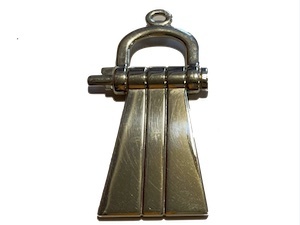 | Membership Officer | The newest Officer role within our lodges. The Membership Officers role is to develop the concept of pro-active recruitment in their Lodges. Provide a link/opportunity to connect with men who currently have no Masonic connections and wish to find out more about Freemasonry and those who come to masonry through the traditional route, to ensure the Promotion of Freemasonry at all appropriate opportunities; including community shows, exhibitions, open days at Masonic Halls etc and following up of any membership enquires, and to assist Lodges in developing and implementing a membership strategies, with a view to attracting suitable candidates. |